We were extremely concerned to see the ‘options’ offered to Brixham Town Council in early September 2025.
A choice of 3 different multi-storey car parks were offered, all significantly increasing the number of car parking spaces in the Central Car Park
Brixham Town Council have since reported their preference is to ‘Maximise parking for residents and visitors, with flexibility for long and short-stay users and residential permits’.
We believe that this will lean towards a design like this:
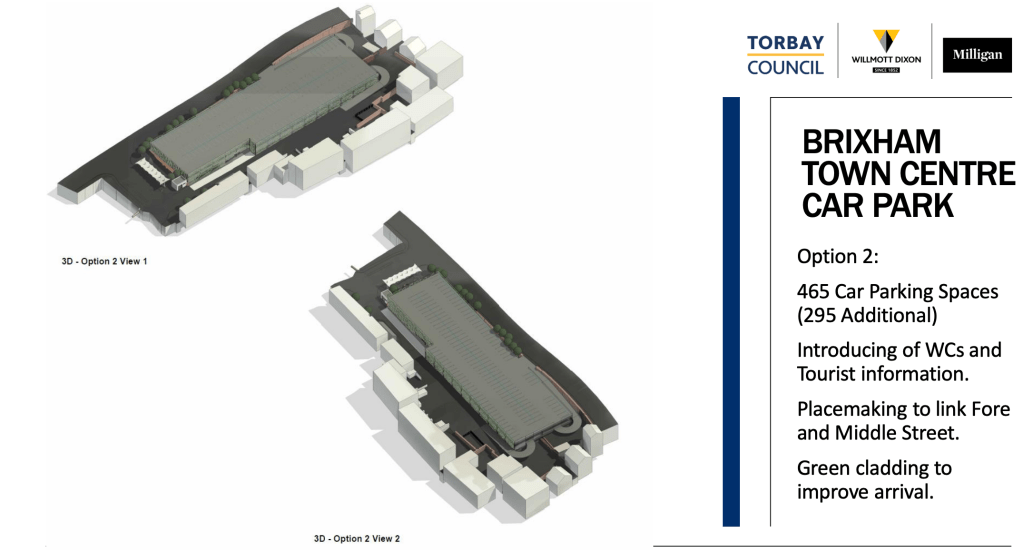
Read on as to why we will not support this proposal for regeneration.
1. The Housing vs Car Park Conundrum
Back in 2021, funds were secured to deliver up to 70 affordable homes on Brixham’s brownfield central car park—while preserving current parking levels. A clear signal that regeneration could also mean housing solutions.
Yet today, the planning conversation has shifted. Instead of homes, we’re talking about adding a second storey to the town-centre car park—doubling capacity. With such a significant housing crisis in the town, we believe this is a missed opportunity.
2. Sustainability in Strategy: Are We Walking the Talk?
Torbay’s Local Transport Action Plan (2021–2026) set clear goals:
- Support development while encouraging low-carbon, active travel
- Improve walking, cycling, and public transport to reduce car reliance
Simultaneously, the soon to be adopted Local Transport Plan 4 (2025–2040) emphasises:
- Decarbonisation, aiming for net-zero transport by 2050
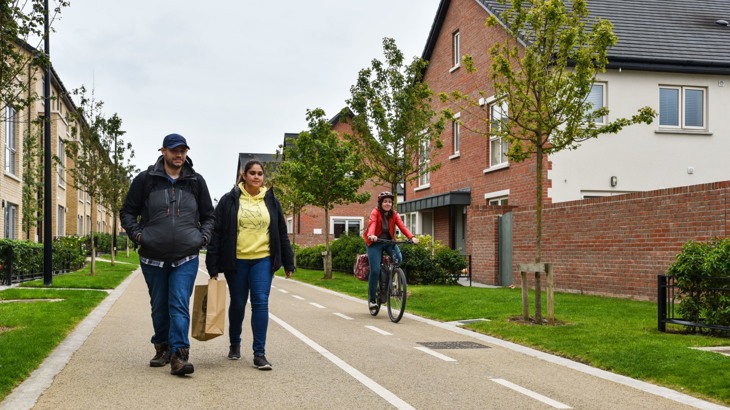
- Prioritising “Greater Places for People” and active travel
In practical terms: Torbay is pushing sustainability on paper but doubling parking directly contradicts these goals.
3. Mixed-Use Development vs Car-Centric Design
Torbay’s Local Plan (2012–2030) focuses investment in sustainable town centres and urges development in accessible, walkable locations. It discourages car-first planning in favour of higher-quality town-centre spaces.
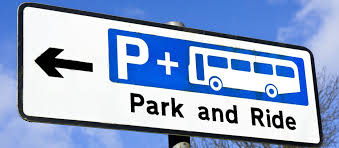
It also sought to promote Park & Ride options for all three towns, including Brixham, rather than overloading the centres themselves with more cars.
4. What’s on the Table vs. What’s on the Paper
| Policy Objective | Official Strategy | Current Design Trajectory |
|---|---|---|
| Affordable Housing | Encourage mixed-use, housing opportunities in town centres | Housing plans absent; only parking on offer |
| Active, Low-Carbon Travel | Prioritise walking, cycling, public transit | Doubling parking reinforces car dependency and fails to improve other modes |
| Town Centre Vitality | Focus on pedestrian-friendly, attractive public realm | Car park expansion may undermine walkable spaces |
| Park & Ride as Alternative | Promote peripheral parking/hubs to reduce town-centre congestion | Induced demand will increase congestion ion town centre. |
5. Why This Matters for Brixham
- Loss of Mixed-Use Potential: A central, accessible site gets swallowed by parking instead of housing or community space.
- Contradictory Signals: Citizens see commitments to sustainability and vibrant development—but are now facing doubling of car space instead.
- Sustainable Alternatives Ignored: Express buses, ferries, and an effective Park & Ride network could serve visitors better while preserving centre vitality.
Navigating Forward: A Call for Policy Coherence
To align regeneration with Torbay’s broader strategic goals:
- Reassess the car park expansion—can some land be reserved for housing, community use, or pedestrian space instead?
- Integrate sustainable alternatives—explore park and ride, boost ferry links, and improve bus connections.
- Ensure transparency in consultation—the community should see how regeneration aligns with the transport and housing strategies already in place.
We are disappointed about this lack of vision and people centred planning. We strongly urge Brixham Town Council and Torbay Council to reconsider these proposals.
 Safe, Sustainable Travel Torbay
Leave a comment