We recently received the Equality Impact Assessment for the Paignton and Preston Coastal Defence project via a Freedom of Information request.
To say this document paid lip service to equality is generous. I truly believe that Torbay Council have paid a lot more attention to the impact of the project on those with protected characteristics—but sadly, this is not evidenced within this document.
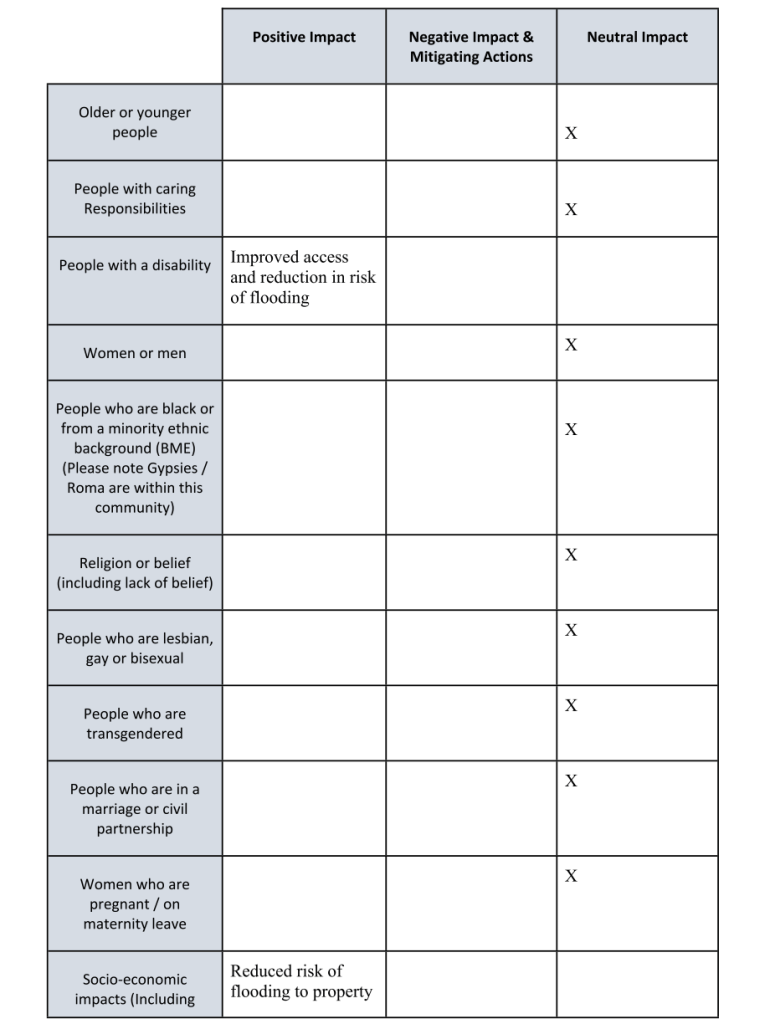
It states that “those with a disability will benefit from the project due to improved access and reduced risk of flooding.” Great. However, we know that those with disabilities are not “one kind of person.” This broad-brush approach really has the potential to discriminate against many people who will be using the area.
Why is this important?
Torbay Council, like all local authorities, has a Public Sector Equality Duty (PSED) to:
- Eliminate unlawful discrimination, harassment and victimisation
- Advance equality of opportunity between different groups
- Foster good relations between different groups
In this context, it is the goals of eliminating unlawful discrimination and advancing equality of opportunity that are most relevant. Local authorities should be considering the needs of diverse users.
Yet this Equality Impact Assessment feels like a missed opportunity. By failing to consider the needs of specific disability groups—such as those with sensory impairments, neurodivergent individuals, or people with limited mobility beyond wheelchair users—the document overlooks the very diversity it should be accounting for. Accessibility is not a one-size-fits-all issue. True inclusion requires detail, nuance, and, above all, listening to the voices of those who are most affected.
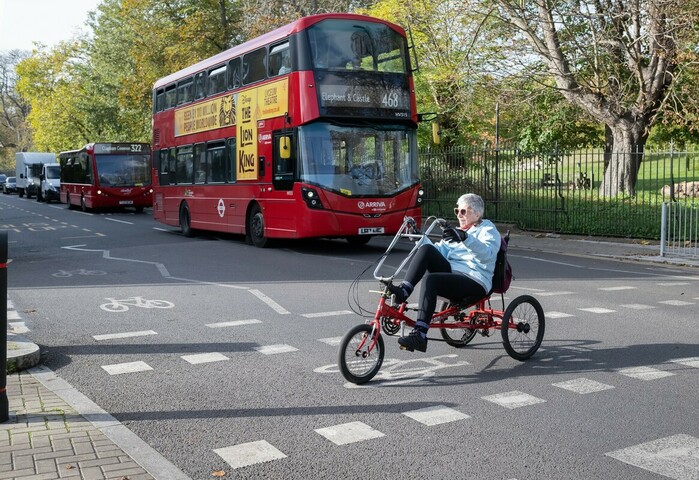
The implications of this oversight go beyond inconvenience. When councils make design and infrastructure decisions based on vague generalisations, they risk embedding inequality into our public spaces. As highlighted by organisations like Wheels for Wellbeing, accessibility must be understood in the broadest sense—recognising, for example, that many disabled people rely on cycles, trikes, and adapted mobility aids, and that these users often face barriers invisible to others.
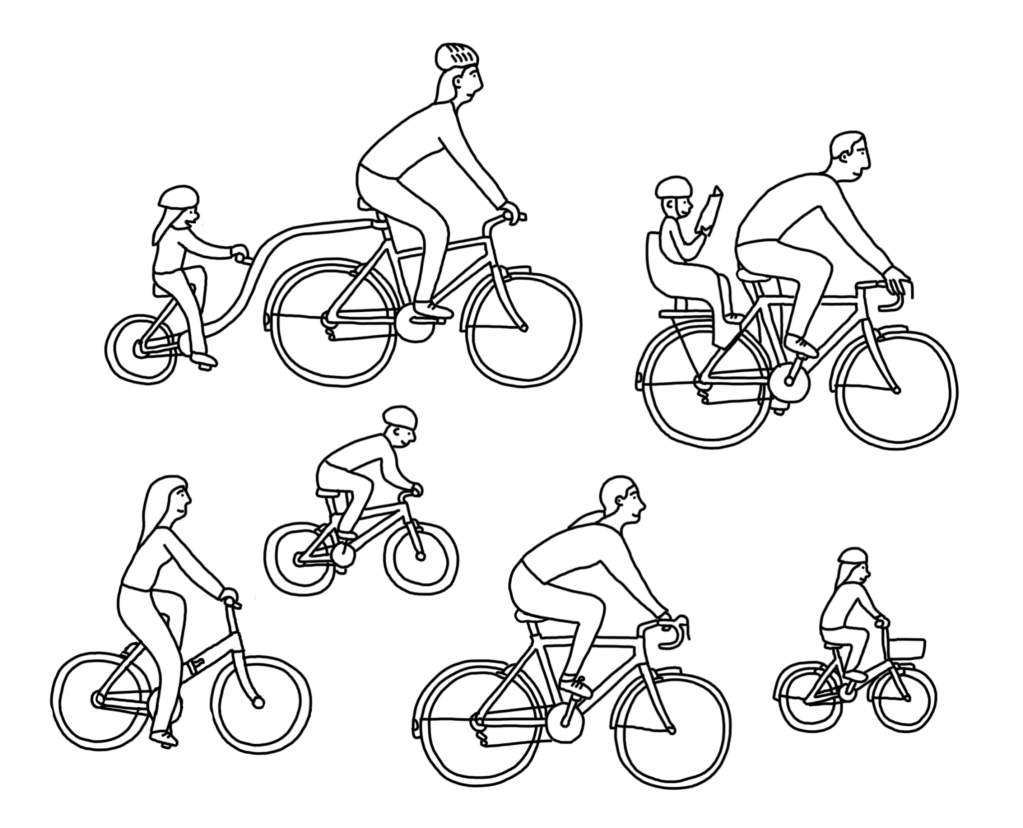
Similarly, Active Travel England stresses that designing for inclusivity means considering a full spectrum of abilities and experiences from the outset, not retrofitting access after the fact. Their guidance emphasises the need for meaningful engagement with disabled communities to ensure infrastructure genuinely meets a diverse range of needs.
This is why thorough and thoughtful Equality Impact Assessments matter. They are not tick-box exercises or bureaucratic formalities—they are tools for building a fairer, more inclusive society.
Torbay Council has the chance to set a positive example with the Paignton and Preston Coastal Defence project. But that starts with revisiting this assessment, engaging meaningfully with affected communities, and demonstrating their commitment to the Public Sector Equality Duty in practice—not just on paper.
If you only design for the average person, you get average results. We are calling on Torbay Council to start aiming higher.
About Safe, Sustainable Travel Torbay (SSTT)
We’re a community led organisation dedicated to improving transport options for all in Torbay. Our mission is to reduce car dependency and promote walking, cycling, and public transport as viable alternatives—building a healthier, more equitable community.
Get Involved:
📧 sstraveltorbay@gmail.com
📞 07747839405
🌐 safesustainabletraveltorbay.co.uk
https://www.facebook.com/TorbayCyclingWalkingRoutesForum/
Further Reading and Resources
- Wheels for Wellbeing – Inclusive Cycling Guide
- Active Travel England – Designing for Everyone
- EHRC – Public Sector Equality Duty Explained
—
 Safe, Sustainable Travel Torbay
Leave a comment